Every October 31, church parking lots across Las Vegas fill up with trunk-or-treat events. Costumes, candy, a bounce house. Then spring comes, the Passover arrives, and most of those same churches never say a word about it.
That is the problem the Church has with God’s appointed times. We have made room for man’s holidays, including ones with pagan roots, and left out the feasts God Himself called His own. I want to talk about why that happened, and why it matters.
At a Glance
What Are God’s Appointed Times?
God did not leave His people guessing about when to gather. In Leviticus 23 He laid out a calendar, and He was clear about whose feasts they were:
“Speak unto the children of Israel, and say unto them, Concerning the feasts of the LORD, which ye shall proclaim to be holy convocations, even these are my feasts.” Leviticus 23:2 (KJV)
Notice the words: the feasts of the LORD and my feasts. Not the feasts of the Jews. God’s. The Hebrew word is mo’edim, meaning appointed times, set meetings on His calendar. Here they are:
- The weekly Sabbath (Leviticus 23:3)
- Passover (23:5)
- Unleavened Bread (23:6–8)
- Firstfruits (23:10–14)
- Feast of Weeks, or Pentecost (23:15–21)
- Trumpets (23:24–25)
- Day of Atonement (23:27–32)
- Tabernacles (23:34–43)
Jesus Kept His Appointments on God’s Calendar
Here is what amazes me. Jesus did not just honor these feasts. He fulfilled them, right on schedule.
- Passover: He was crucified at Passover as the Lamb of God (John 19:14). Paul wrote, “Christ our passover is sacrificed for us: Therefore let us keep the feast” (1 Corinthians 5:7–8, KJV).
- Unleavened Bread: The sinless One was laid in the grave, His body without corruption.
- Firstfruits: He rose as “the firstfruits of them that slept” (1 Corinthians 15:20, KJV).
- Pentecost: The Holy Spirit was poured out “when the day of Pentecost was fully come” (Acts 2:1, KJV). The Church was born on one of God’s appointed times.
The spring feasts were fulfilled at His first coming. I believe the fall feasts, Trumpets, Atonement and Tabernacles, point to His return. If God moved on His own calendar the first time, why would the Church throw that calendar away?
Where Halloween Came From
Now compare that to October 31. According to Britannica, Halloween traces back to Samhain, an ancient Celtic festival. People believed the spirits of the dead walked the earth that night, so they wore disguises and lit bonfires.
In the 8th century, Pope Gregory III moved All Saints’ Day to November 1, likely as a Christian substitute for Samhain. The night before became All Hallows’ Eve. That is where the name Halloween comes from. The church did not remove the festival. It renamed it.
Today the National Retail Federation expects Americans to spend $13.5 billion on Halloween in 2026. Costumes, candy and decorations. Meanwhile, the feast where God delivered His people by the blood of a lamb barely shows up on a church calendar.
How the Church Lost the Passover
The early believers kept Passover. Jesus kept it with His disciples. Paul planned his travels around the feasts (Acts 20:16). Churches in Asia Minor kept the memorial of Christ’s death on the 14th of Nisan, the same day as Passover.
That changed in A.D. 325. Emperor Constantine called the Council of Nicaea, and one of its goals was to set one date for Easter, separate from the Jewish calendar. In a letter to the churches afterward, Constantine wrote that Christians should have “nothing in common with the murderers of our Lord.”
Read that again. A Roman emperor, not Scripture, cut the Church off from Passover, and he did it out of hostility toward the Jewish people.
And his charge was wrong. No one murdered the Son of God. You cannot kill God against His will. Jesus said, “No man taketh it from me, but I lay it down of myself. I have power to lay it down, and I have power to take it again” (John 10:18, KJV). When the soldiers came to arrest Him, He told Peter He could pray to His Father and receive “more than twelve legions of angels” (Matthew 26:53, KJV). He didn’t call them. He chose the cross.
That is the whole point of Passover. The lamb did not fight back. The Lamb of God gave Himself, at the exact appointed time God set in Exodus 12. Constantine took the very feast that shows Jesus laid down His life freely, and used a lie about His death to push the Church away from it.
Within a few generations, believers were keeping a festival named Easter on a date set by a council, while the feast Jesus Himself kept faded away.
Why Churches Still Choose Man’s Holidays
I do not believe most pastors are trying to disobey God. I think it comes down to a few honest reasons:
- Tradition. We do what our parents and grandparents did, without asking where it came from.
- Outreach. Trunk-or-treat brings families onto the property. That feels like ministry.
- Teaching. Many believers were taught the feasts were “Jewish” and ended at the cross.
- Comfort. Keeping God’s calendar means standing out. Halloween and Christmas let us blend in.
Jesus addressed this exact pattern: “Full well ye reject the commandment of God, that ye may keep your own tradition” (Mark 7:9, KJV).
“Aren’t the Feasts Just for the Jews?”
This is the most common pushback I hear, and it deserves a fair answer.
Leviticus 23 calls them the feasts of the LORD, not the feasts of Israel. God also said, “One law shall be to him that is homeborn, and unto the stranger that sojourneth among you” (Exodus 12:49, KJV). Gentiles who joined Israel kept the same feasts. And the prophet Zechariah says the nations will go up to Jerusalem to keep the Feast of Tabernacles (Zechariah 14:16).
Others point to Colossians 2:16: “Let no man therefore judge you in meat, or in drink, or in respect of an holyday, or of the new moon, or of the sabbath days.” I read that as Paul telling believers not to let anyone judge them for keeping these days, because they are “a shadow of things to come” (verse 17). A shadow still points to something real. Sincere believers read it differently, and Romans 14 calls each of us to be fully persuaded in our own mind. I am asking you to study it for yourself.
How to Start Keeping God’s Appointed Times
You do not need to change everything overnight. Start with one step:
- Put Passover on your calendar. In 2027, Passover begins at sundown on Wednesday, April 21.
- Read Exodus 12 and Leviticus 23 with your family before then.
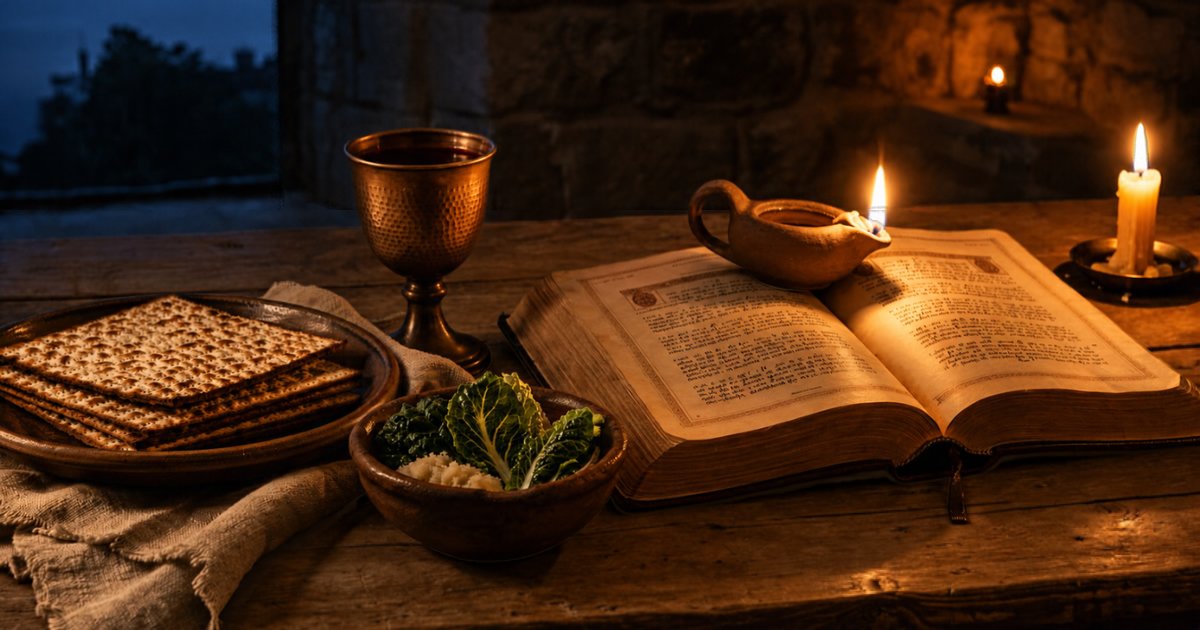
- Host a simple Passover meal. Unleavened bread, a cup, and the story of how God delivered His people, and how Jesus fulfilled it.
- Invite someone. That is the heart of the Me 2Too Challenge: take the first step toward someone.
- Rethink October 31. Ask what you are celebrating and why.
If you have not read it yet, my post on why I am not convinced Christians should celebrate Christmas covers the same question from the December side.
Series: Holidays vs. God’s Calendar
Frequently Asked Questions
What are God’s appointed times?
They are the feasts God established in Leviticus 23: the weekly Sabbath, Passover, Unleavened Bread, Firstfruits, Pentecost, Trumpets, the Day of Atonement and Tabernacles. God calls them “my feasts” (Leviticus 23:2).
Why don’t most Christians celebrate Passover?
Many churches follow tradition that goes back to the Council of Nicaea in A.D. 325, which separated the Easter date from the Jewish calendar. Over time, most of the Church stopped keeping Passover at all.
Is Halloween a pagan holiday?
Halloween traces back to the Celtic festival of Samhain. The church later placed All Saints’ Day on November 1, and the night before became All Hallows’ Eve, or Halloween.
Should Christians keep the biblical feasts?
I believe they should, because Jesus and the apostles kept them and Jesus fulfilled them. Believers disagree on this, so study Leviticus 23, the Gospels and Paul’s letters and decide before God.
When is Passover in 2027?
Passover 2027 begins at sundown on Wednesday, April 21, 2027.
Where Do You Stand?
Did your church celebrate Halloween this year? Has it ever kept a Passover? Tell me in the comments. I want to hear from you, even if you see it differently. And if this got you thinking, share it with one person and study Leviticus 23 together.
Keep reading: God’s appointed times start with the weekly Sabbath. Read The Narrow Path Has a Seventh Day: Why the Church Can’t Move God’s Sabbath.
Leave a Reply